
Backpacking for Beginners: How to Start Exploring the Mountains with Confidence

There’s something deeply rewarding about carrying everything you need on your back and heading into the mountains for a night under the stars. Backpacking combines hiking, camping, adventure, and self-reliance in a way few outdoor activities can. It slows life down, reconnects you with nature, and gives you the kind of memories that stick with you for years.
In communities surrounded by mountains, lakes, forests, and alpine landscapes, it’s no surprise that more people are looking for ways to get outside. Interest in backpacking has exploded in recent years as people search for healthier lifestyles, meaningful experiences, and a break from screens and busy schedules.
But for beginners, backpacking can also feel intimidating.
What gear do you actually need?
How far should you hike?
What if you pack too much?
What if something goes wrong?
The good news is that every experienced backpacker started exactly where you are now. Nobody is born knowing how to pack a backpack, pitch a tent in the rain, or cook dinner on a camp stove. Backpacking is a skill that anyone can learn with the right preparation, guidance, and support.
This guide will walk through the basics of backpacking for beginners, including essential gear, planning tips, common mistakes, safety considerations, and how joining a guided experience like Backpacking for Beginners with Playwest can help you build confidence while having an unforgettable mountain adventure.
Why Backpacking Is Growing So Quickly
People are craving real experiences.
Backpacking offers something that is increasingly rare in modern life: simplicity. You carry only what you need, move at a slower pace, and spend your time immersed in natural surroundings instead of notifications and schedules.
For many beginners, backpacking also feels like a healthy challenge. It combines physical activity with mental reset. You gain confidence, resilience, and practical outdoor skills while exploring incredible places that day hikers often never reach.
The mountains provide a perspective that’s difficult to replicate elsewhere. Early mornings beside alpine lakes, sunsets over ridgelines, and quiet nights under a sky full of stars have a way of grounding people.
Backpacking is also surprisingly accessible. You do not need to be an elite athlete to get started. Many beginner-friendly routes are designed specifically for people with little or no overnight hiking experience.
The key is starting the right way.
What Is Backpacking?
Backpacking is essentially hiking combined with overnight camping.
Instead of returning home after your hike, you carry your shelter, sleeping gear, food, and supplies in a backpack and spend one or more nights outdoors.
A typical beginner backpacking trip includes:
A moderate hike into a campsite
Setting up camp outdoors
Cooking meals outside
Sleeping in a tent or shelter
Hiking back out the next day
Some backpacking adventures involve only a few kilometres of hiking, while advanced multi-day expeditions may cover long distances through rugged mountain terrain.
For beginners, shorter overnight trips are ideal because they allow you to learn skills gradually without becoming overwhelmed.
Essential Backpacking Gear for Beginners
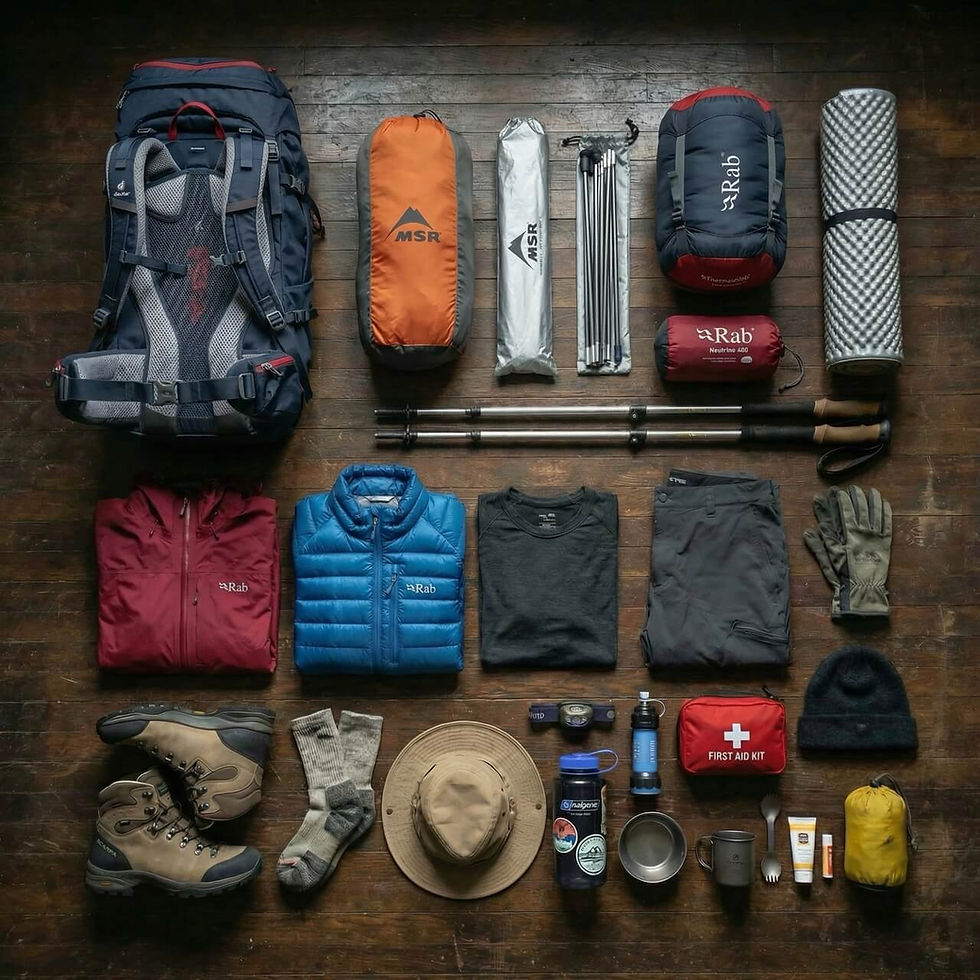
One of the biggest misconceptions about backpacking is that you need expensive gear to begin.
While quality equipment does improve comfort and safety, beginners do not need to buy the most expensive ultralight setup immediately.
Focus first on the essentials.
1. Backpack
Your backpack carries everything you need, so fit and comfort matter.
Most beginner overnight trips use backpacks between 50–70 litres. The backpack should sit comfortably on your hips and distribute weight evenly.
Tips:
Try backpacks on before purchasing
Adjust shoulder straps and hip belts properly
Avoid overpacking unnecessary items
2. Tent or Shelter
A reliable tent protects you from weather, insects, and cold temperatures.
For beginners, a lightweight two-person backpacking tent offers a good balance between comfort and portability.
When choosing a tent, consider:
Weight
Ease of setup
Waterproofing
Interior space
Weather resistance
3. Sleeping Bag
Mountain temperatures can drop significantly at night, even during summer.
Choose a sleeping bag rated for temperatures slightly colder than what you expect.
Many beginners underestimate nighttime temperatures and end up uncomfortable or cold.
4. Sleeping Pad
A sleeping pad provides insulation and comfort between you and the ground.
Even the best sleeping bag loses warmth if you sleep directly on cold ground.
Inflatable sleeping pads are compact and comfortable, while foam pads are durable and affordable.
5. Hiking Footwear
Comfortable footwear is critical.
For beginner backpackers, supportive hiking boots or trail shoes with good grip can make a huge difference.
Before any overnight trip:
Break footwear in ahead of time
Wear moisture-wicking socks
Test your footwear on local hikes
Blisters are one of the most common beginner problems.
6. Clothing Layers
Mountain weather changes quickly.
Layering allows you to adjust to temperature swings and weather conditions.
A simple layering system includes:
Moisture-wicking base layer
Insulating mid-layer
Waterproof outer shell
Avoid cotton whenever possible because it holds moisture and dries slowly.
7. Food and Water
Backpacking meals should be lightweight, calorie-dense, and easy to prepare.
Popular beginner backpacking foods include:
Instant oatmeal
Trail mix
Energy bars
Freeze-dried meals
Pasta or rice dishes
Always carry enough water and understand how to refill safely using filtration systems or purification methods.
8. Navigation and Safety Items
Even beginner routes require preparation.
Bring:
Map or GPS device
Headlamp
First aid kit
Emergency layers
Multi-tool or knife
Fire-starting materials
Bear spray where appropriate
Preparedness builds confidence.
Common Beginner Backpacking Mistakes
Every backpacker learns through experience, but understanding common mistakes can make your first trips much more enjoyable.
Packing Too Much
One of the biggest beginner mistakes is carrying unnecessary weight.
Heavy backpacks make hiking harder, increase fatigue, and reduce enjoyment.
New backpackers often pack “just in case” items they never use.
A good rule:
Bring what you need, not what you might need for every possible scenario.
Wearing Brand-New Gear
Never use completely untested gear on your first overnight trip.
Practice:
Setting up your tent
Using your stove
Packing your backpack
Filtering water
Hiking in your footwear
Familiarity reduces stress.
Choosing a Route That Is Too Difficult
Excitement sometimes causes beginners to overestimate their ability.
A shorter, easier route is far more enjoyable than an exhausting struggle.
Build gradually.
Your first backpacking trip should focus on learning and enjoyment—not suffering.
Ignoring Weather Forecasts
Mountain weather changes rapidly.
Always check forecasts before heading out and prepare for colder or wetter conditions than expected.
Starting Too Late in the Day
Give yourself extra time.
Beginners often hike slower than anticipated, especially with heavier packs.
Starting early helps reduce pressure and allows time to set up camp before dark.
Physical Preparation for Backpacking
You do not need to be an ultra-marathon runner to enjoy backpacking.
However, some physical preparation will improve your experience.
Start Hiking Regularly
Begin with shorter local hikes and gradually increase distance and elevation.
Focus on:
Cardiovascular endurance
Leg strength
Balance and stability
Train with Weight
Backpacking feels different than regular hiking because of the added pack weight.
Practice hiking with a loaded backpack before your trip.
Even carrying 10–15 pounds during local hikes helps your body adapt.
Prioritize Recovery
Hydration, stretching, and proper nutrition matter.
Many beginners push too hard too quickly. Consistency is more important than intensity.
Mental Preparation Matters Too
Backpacking is as much mental as physical.
Many beginners worry about:
Getting lost
Wildlife encounters
Weather
Sleeping outdoors
Physical endurance
These concerns are completely normal. The best way to build confidence is through experience and guidance.
Each successful trip helps replace uncertainty with practical knowledge.
Backpacking also teaches adaptability. Weather changes. Plans shift. Challenges happen. Learning how to stay calm and problem-solve outdoors becomes part of the reward.
Leave No Trace Principles
Protecting natural spaces is one of the most important responsibilities backpackers have.
As outdoor recreation grows, responsible hiking and camping practices matter more than ever.
The Leave No Trace principles help minimize environmental impact.
Key principles include:
Plan Ahead and Prepare
Good preparation reduces risk and environmental damage.
Travel and Camp on Durable Surfaces
Stay on established trails and campsites whenever possible.
Pack Out What You Pack In
Never leave garbage behind.
Respect Wildlife
Observe animals from a distance and store food properly.
Be Considerate of Others
Respect quiet, space, and shared outdoor experiences.
Learning these habits early creates responsible and sustainable outdoor communities.
Why Guided Backpacking Trips Are Perfect for Beginners
One of the fastest ways to build backpacking skills safely and confidently is through a guided beginner backpacking experience.
Many people want to try backpacking but hesitate because they lack experience, equipment knowledge, or confidence.
Guided trips remove much of that uncertainty.
Instead of worrying about logistics, navigation, route planning, and safety, beginners can focus on learning and enjoying the experience.
Benefits of a Guided Beginner Backpacking Experience
Learn Proper Skills
A guided experience helps beginners understand:
Packing techniques
Camp setup
Trail etiquette
Outdoor safety
Meal preparation
Navigation basics
Gear usage
These foundational skills transfer to future adventures.
Build Confidence Faster
Having experienced guides nearby helps beginners feel more comfortable in mountain environments.
Confidence grows quickly when you realize you are capable of hiking, camping, and managing outdoor challenges successfully.
Avoid Common Mistakes
Experienced guides help prevent many beginner errors before they happen.
This makes the overall experience safer and far more enjoyable.
Meet Like-Minded People
Many beginner backpackers discover they love the social side of guided trips.
Shared experiences in the mountains often create strong friendships and supportive outdoor communities.
Access Incredible Locations
Guided trips are often carefully designed around beginner-friendly trails that still provide beautiful scenery and rewarding experiences.
Backpacking for Beginners with Playwest

For people who are curious about overnight hiking but unsure where to begin, Backpacking for Beginners with Playwest is designed specifically to bridge that gap.
The experience is built around helping new backpackers feel comfortable, prepared, and excited about spending time in the mountains.
Instead of trying to figure everything out alone, participants receive guidance, support, and practical instruction in a welcoming environment.
The goal is not simply to complete a hike.
The goal is to help people build the confidence and skills needed to continue exploring the outdoors long after the trip ends.
What Makes This Experience Beginner-Friendly?
The Backpacking for Beginners experience focuses on:
Supportive learning
Safe progression
Practical outdoor education
Beginner-appropriate pacing
Encouragement and confidence-building
Participants learn real backpacking skills while experiencing the beauty of the mountains firsthand.
Whether someone has never slept in a tent before or simply wants to gain more outdoor experience, the guided format removes much of the stress that can prevent people from getting started.
Learn by Doing
Reading articles and watching videos helps, but hands-on learning accelerates progress dramatically.
During the guided trip, participants gain direct experience with:
Packing backpacks efficiently
Setting up camp
Hiking with overnight gear
Managing outdoor systems
Understanding mountain conditions
Outdoor safety practices
These practical lessons often give beginners the confidence to plan future adventures independently.
Experience the Mountains in a Meaningful Way
Many people spend years wanting to explore deeper into the mountains but never take the first step.
Guided beginner backpacking trips provide an approachable entry point.
Instead of worrying about whether you are “experienced enough,” you can focus on enjoying the journey.
The mountains are for everyone—not just advanced hikers.
Tips for Your First Backpacking Trip
If you are considering your first overnight hiking experience, here are a few final tips that can make a huge difference.
Start Simple
You do not need to tackle a difficult route to have an amazing experience.
Shorter beginner-friendly trips are often more enjoyable and more educational.
Prioritize Comfort Over Perfection
Your first trip does not need to look like an ultralight influencer video.
Focus on learning, staying safe, and enjoying yourself.
Ask Questions
Experienced backpackers are usually happy to help beginners.
Outdoor communities grow stronger when knowledge is shared.
Embrace the Learning Curve
Every backpacker makes mistakes.
What matters is gaining experience and continuing to explore.
Remember Why You Started
Backpacking is not about suffering or competition.
It is about connection:
Connection to nature
Connection to adventure
Connection to yourself
Connection to others
The mountains have a way of simplifying life and reminding us what truly matters.
Your Backpacking Journey Starts with One Step

Everyone starts somewhere.
The first overnight backpacking trip is often the hardest because it involves uncertainty. But it is also the beginning of a completely new relationship with the outdoors.
With the right preparation, beginner-friendly guidance, and supportive environment, backpacking becomes far more approachable than most people expect.
You do not need years of experience to begin exploring the mountains. You simply need a willingness to learn.
Backpacking for Beginners with Playwest was created to help new adventurers take that first step with confidence.
If you have been thinking about trying backpacking but were unsure where to begin, this is your opportunity to experience the mountains in a safe, supportive, and unforgettable way.
The trails, alpine lakes, forests, and mountain sunsets are waiting.
Your adventure starts now.


